
50 Best Stand-Up Comedy Tips for Beginners
Learn 50 practical stand-up comedy tips for beginners, including how to find comedy ideas, write jokes, choose topics, perform at open mics, and improve faster.
Learn 50 practical stand-up comedy tips for beginners, including how to find comedy ideas, write jokes, choose topics, perform at open mics, and improve faster.
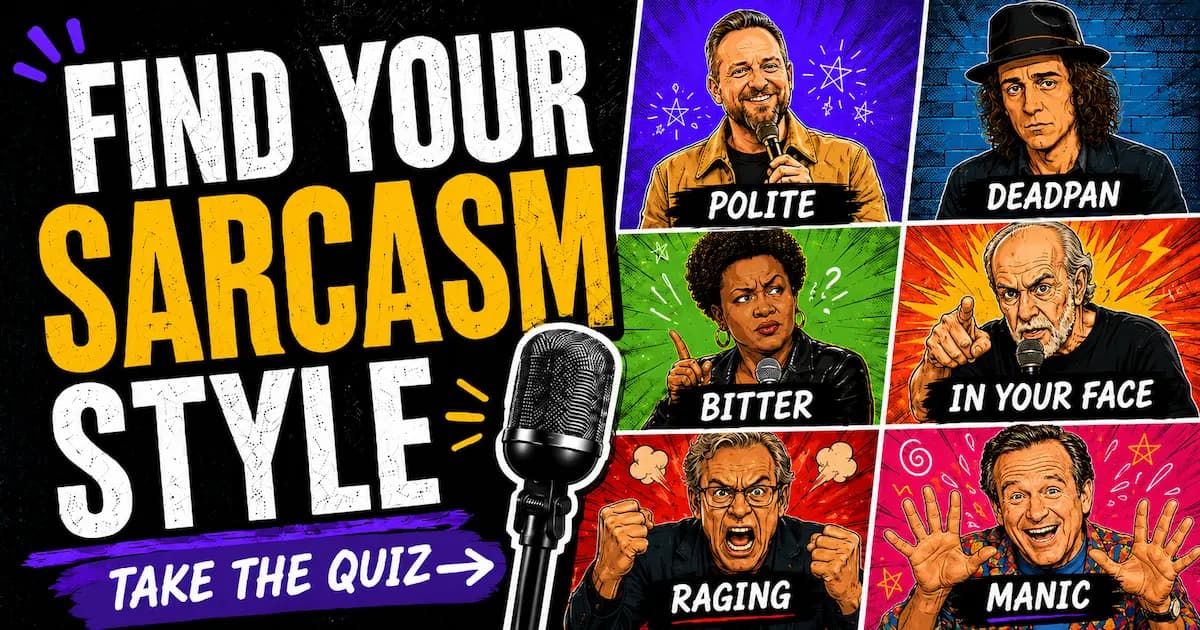
Find your sarcasm style, see which comedians match it, and learn how styles like deadpan, polite, raging, and manic sarcasm work.
Learn why point of view makes jokes feel believable, how skewed realities create comedic conflict, and why strong comics see the world differently.
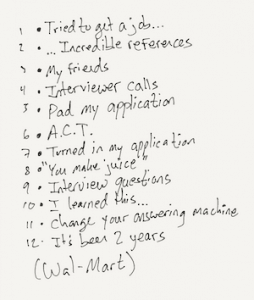
Learn a simple visual set list trick that helps new comedians remember jokes, transitions, and their full stand-up set without panicking on stage.
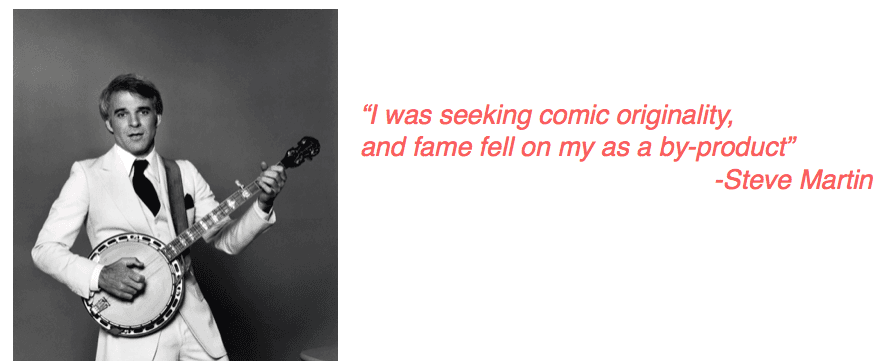
Learn what contributes to a comedian’s success: getting laughs, becoming unique, staying authentic, and building an act people remember.
Learn how new comedians can stop overthinking jokes, get out of judging mode, write more freely, and make comedy writing fun again.
Learn three factors that help comedians break through: stronger stand-up skills, creative originality, motivation, and the ability to stand out.
How to Be a Clean Comedian Learning how to write stand-up comedy isn’t just about punchlines. It’s about creating the kind of moments that make an audience lean in, laugh hard,...
Getting ready for your first open mic or stand-up comedy set? Learn five common mistakes new comedians make on stage and how to avoid them.
Learn nine practical stand-up comedy rules that help new comedians write better jokes, build confidence, get more laughs, and improve faster.
Learn how to start writing stand-up comedy by finding a topic, choosing a point of view, turning ideas into material, and practicing out loud.
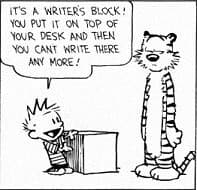
Learn how new comedians can beat comedy writer's block by separating writing from judging, dropping bad rules, and rebuilding creative flow.
Learn why many comedians are introverted, how introverts can succeed in stand-up, and where extroverts still have an advantage.
Learn why getting laughs is not always enough to build a comedy fan base, and how originality, creativity, and memorable material help comedians stand out.
Learn how new comedians can break the fourth wall, talk to the audience, reset awkward moments, and perform with more confidence on stage.
Learn how to write stand-up comedy jokes with a simple joke structure. See Broken Assumption examples, writing prompts, and step-by-step exercises for beginners.

Try 5 stand-up comedy writing exercises to beat writer’s block, find joke ideas, create comedic tension, and start writing stronger jokes. Includes a free PDF download.
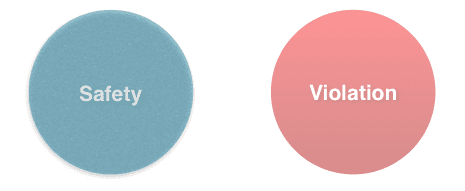
Learn why jokes are funny by understanding comedic conflict, safety, violation, tension, and point of view in stand-up comedy.
Learn three skills that help new comedians get better at stand-up comedy: stronger joke craft, originality, and authentic stage presence.
Learn four practical ways to use pauses in stand-up comedy so your setups are clearer, your punchlines hit harder, and your laughs have room to build.
Watch a short comedy sketch and see the full writing process, from first idea and draft to punchlines, filming, editing, and final video.

Performing stand-up comedy for the first time? Learn how to record your set, dress for the room, stay ready, and avoid common first-show mistakes.
Learn why trying to control every word can make stage fright worse, and how new comedians can relax, stay present, and perform with more confidence.
Learn what to do when a joke bombs on stage, how to call the moment, recover confidence, and keep your stand-up set moving without panicking.
Learn why new comedians improve faster by focusing on one skill at a time instead of trying to fix writing, delivery, confidence, and stage presence all at once.
Learn how Pixar uses comedic tension to build expectations, set up funny stories, and make punchlines easier for audiences to understand.
Learn how new comedians can shape their stage identity, clarify their comedic point of view, and make audiences understand what kind of comic they are.
Learn why obvious or predictable punchlines can sometimes be funnier than random surprises, and how priming, timing, and audience anticipation affect comedy writing.
Comedy club age limits vary by venue. Learn how young comedians can check 18+ and 21+ rules, find stage time, and keep improving before they can perform everywhere.
Learn how new comedians can build charisma on stage through presence, confidence, warmth, audience connection, and authentic performance.
Alcohol might loosen up your first draft, but it can also ruin your judgment. Learn the real comedy writing lesson without relying on drinking.
Learn how new comedians can use frustration, criticism, and bad moods to find joke ideas, sharpen material, and push boundaries without getting stuck.
Learn why some jokes work in one room but fail in another, how local and universal humor differ, and when comedians should use each.
Learn how to estimate whether a joke will get laughs by checking clarity, tension, punchline strength, audience fit, and how easily people get the joke.
Learn how Steve Martin's strange, original comedy style made him impossible to ignore, and what new comedians can learn from his approach.
Here's a YouTube video of my recent interview with the Clean Comedy Podcast. Luke and James do great work putting on this show every week. You can find The Clean Comedy Podcast on...
Get creative inspiration throughout your week! Each episode focuses on a different creativity and innovation topic designed to boost your natural creativity. Jared Volle received...
Learn what to do if someone steals your joke: verify it first, stay respectful, talk privately, document evidence, and protect your material with originality.
Why is it that so many professionally funny people get their start in stand-up? In this video, Jared discusses why learning stand-up comedy is so important to actors,...
New comedian? Learn how to handle stage fright, calm your nerves, stop overthinking, and get on stage even when you do not feel ready.
Learn how comedians can use humor to reveal pain, connect with audiences, and make vulnerable material feel honest instead of awkward.
Learn how jokes work from the audience's perspective, including setups, punchlines, keywords, and the moment people finally get the joke.
Learn 8 types of comedy and stand-up comedy styles with examples, including one-liners, storytelling, observational comedy, experience-based comedy, crowd work, current event humor, local humor, and universal humor.
New to stand-up comedy? Get practical answers about writing material, getting on stage, improving faster, and what beginners should expect.
Learn the two keys to writing better comedy material: create comedic conflict and build audience trust so your jokes feel playful, clear, and funny.
Learn why joke formulas can make stand-up comedy feel fake and how to write from stories, point of view, and natural humor instead.
Learn how to fix a weak punchline by tightening the setup, protecting key information, cutting extra words, and making the joke easier to understand.
I have exciting news for all the people emailing me about seeing me live. I've been invited to speak at the 5th annual Comics Rock Convention in Los Angeles. If you don't know the...
Learn how new comedians can turn life experience, weakness, truth, and self-expression into more personal stand-up comedy material.
Facebook is one of the most important tools for comedian marketing. Even so, many comedians aren't using Facebook to it's full potential. Comedians have the opportunity to use it,...
Learn how to turn everyday humor, quick reactions, and funny stories from real life into stand-up comedy material that sounds natural on stage.
Learn how better comedy writing questions help new comedians find joke ideas, explore topics, punch up material, and break out of boring first thoughts.
Want to become a more original comedian? Learn why safe comedy keeps beginners stuck and how creative risks help you find stronger, more memorable material.
Learn how new comedians can move through stage fright, procrastination, uncertainty, and self-doubt so fear does not keep them off stage.
Learn how big-picture thinking helps new comedians focus on the right goals, avoid copycat material, build a stronger act, and improve faster.
Learn five comedy skills that help comedians create stronger material: associating ideas, asking better questions, observing, experimenting, and learning.
Want long-term success in stand-up comedy? Learn how new comedians can use better benchmarks, higher standards, and honest comparison to improve faster.
Learn how to come up with comedy ideas using six creative steps: observation, abstraction, synthesis, insight, evaluation, and elaboration.
New comedian? Learn how to evaluate comedy ideas, rewrite jokes into stronger bits, and test creative material on stage without giving up too early.
Want to become a more creative comedian? Learn four practical ways to build originality, stand out from other comics, and make your comedy more memorable.
Learn why originality helps new comedians stand out, become more memorable, build a niche audience, and turn casual laughs into real fans.
Learn how new comedians can turn funny ideas into clearer stand-up material, practice out loud, and write jokes that are easier to perform on stage.
Learn how new comedians can turn real-life stories into stand-up comedy by cutting weak details, building tension, and landing stronger punchlines.
New comedian? Learn how to use gestures in stand-up comedy to look less stiff, highlight key words, make jokes clearer, and perform more naturally on stage.

Getting ready for your first stand-up comedy show? Learn how to rehearse out loud, time your set, create a set list, and feel more prepared on stage.

Learn how new comedians can find their comedic voice by studying favorite comics without copying them, testing styles, and building a unique point of view.

Want to become a comedian? Learn how to find funny ideas, write stand-up material, practice out loud, and get ready for your first set.
Learn how new comedians can become more original, avoid copycat comedy, find their point of view, and create material that stands out.
Learn how comedians make money by building a memorable act, choosing a clear niche, and becoming easier for fans and bookers to remember.
Learn why stand-up comedy material feels boring and how point of view, emotion, setups, punchlines, and real reactions make jokes more engaging.
Learn how one-liner jokes work, see stand-up comedy examples, and discover how to write short jokes with clear setups, twists, and punchlines.
Learn how recording your stand-up set helps new comedians spot weak gestures, mic problems, audience focus issues, and performance habits they can fix.
Learn how new comedians can use gestures to cut words, communicate emotion, strengthen punchlines, and perform more naturally on stage.
One of the biggest benefits of taking stand-up comedy classes is the ability to learn from an expert . Comedy teachers know exactly what they should look for within a student's...
New comedian? Learn why using different comedy writing styles can help you break out of patterns, beat writer's block, and write stronger stand-up material.
Learn six practical ways to study stand-up comedy, including YouTube, live shows, books, classes, interactive practice, and stage time.
Learn practical comedian marketing ideas that help you stand out, build your audience, get noticed by bookers, and create more opportunities.
Learn how comedian marketing helps you position your act, stand out from other comics, and book better-paying stand-up comedy gigs.
Learn comedian marketing for new comics by using differentiation, positioning, and audience focus to become more memorable and build real fans.
Learn what to do when a stand-up audience is cold, distracted, or not laughing, including how to reset the room, break tension, and reconnect without panicking.